Choosing the right CRM (Customer Relationship Management) system is a critical decision for any small business. A CRM can help you manage customer interactions, streamline sales processes, and improve overall customer satisfaction. However, with so many options available, it’s essential to understand your specific needs and evaluate different CRM systems accordingly. This guide will walk you through the key features and considerations to help you make an informed decision.
First, consider the size and complexity of your business. A small business with a limited number of customers may only need a basic CRM with essential features like contact management and sales tracking. On the other hand, a growing business with more complex sales processes may require a more robust CRM with advanced features like marketing automation and reporting. Assess your current and future needs to ensure the CRM you choose can scale with your business. This will prevent you from outgrowing your CRM too quickly and having to switch to a new system.
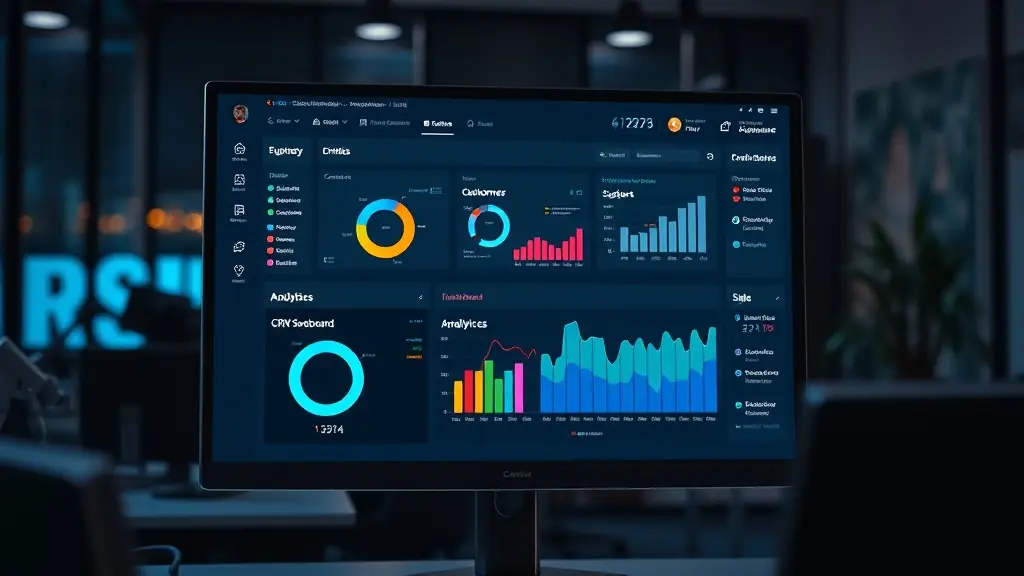
Next, evaluate the key features offered by different CRM systems. Look for features that align with your specific business needs, such as contact management, lead management, sales automation, marketing automation, and customer support. Consider whether you need integrations with other tools you use, such as email marketing platforms or accounting software. Pay attention to the user interface and ease of use, as a CRM that is difficult to navigate will likely be underutilized. A user-friendly CRM will encourage adoption and maximize its benefits.